loading 0%
 Modern humans arrived in South Asia from Africa in around 60,000 BCE, with the earliest definitive evidence of settlement in Sri Lanka dating to about 28,000 BCE. Early humans had also been to the island much earlier, leaving stone-age tools that can be dated to around 125,000 BCE. A land bridge connected India and Sri Lanka until around 5000 BCE, allowing different groups to come and go.
The exact origin of these early settlers has been much debated, particularly in the light of modern ethnic tensions. What is certain is that the inhabitants of 30,000 years ago were related to populations of India, South-East Asia and Australia. They have become known as Veddoid, after the modern-day Väddā tribal group, of whom they may be the ancestors. Dravidian and Indo-Aryan languages filtered down to Sri Lanka, from the south and north of India respectively, with modern-day Tamils and Sinhalese each often claiming their forefathers arrived first. However, many historians now think that Dravidian and Indo-Aryan cultures most likely did not arrive in Sri Lanka until late in the first millennium BCE.
An impressive irrigation system had been developed by 100 CE, which became the most elaborate in South Asia. By the time of Alexander the Great’s arrival in the region in around 327 BCE, a trading centre had been established at Māntai (modern-day Tirukketisvaram).
Buddhist scholars in around the fourth and fifth centuries CE wrote the chronicles Dīpavamsa and Mahāvamsa, recording some of the early history of Sri Lanka, focusing in particular on the establishment of Buddhism and the political fortunes of different dynasties. The Mahāvamsa tells of the arrival of a prince from India named Vijaya, and the Sinhalese have often seen him as the founder of Sinhala civilisation in the island.
By the third century BCE Anurādhapura had grown into one of the largest cities in South Asia and Buddhism was adopted by the city’s rulers, after the Indian emperor Ashoka sent a missionary to Anurādhapura in 250 BCE. The city-state extended its control over more of the island and struggles ensued over the next two centuries as power passed back and forth between successors of the Buddhist Devānampiyatissa and rulers identified as ‘Damila’ in the Mahāvamsa, who mainly came from the south of India.
By 500 CE several million people lived in the northern Dry Zone centred around Anurādhapura – the vast majority of the island’s population.
In around 1000 CE, the Hindu Colas, from South India, had gained control of Anurādhapura and moved the capital south by 100 km to Polonnaruwa, before the Sinhalese regained the crown. By the 13th century, malaria had spread through the Dry Zone, making the area virtually uninhabitable and the focus of political life drifted to the south-west.
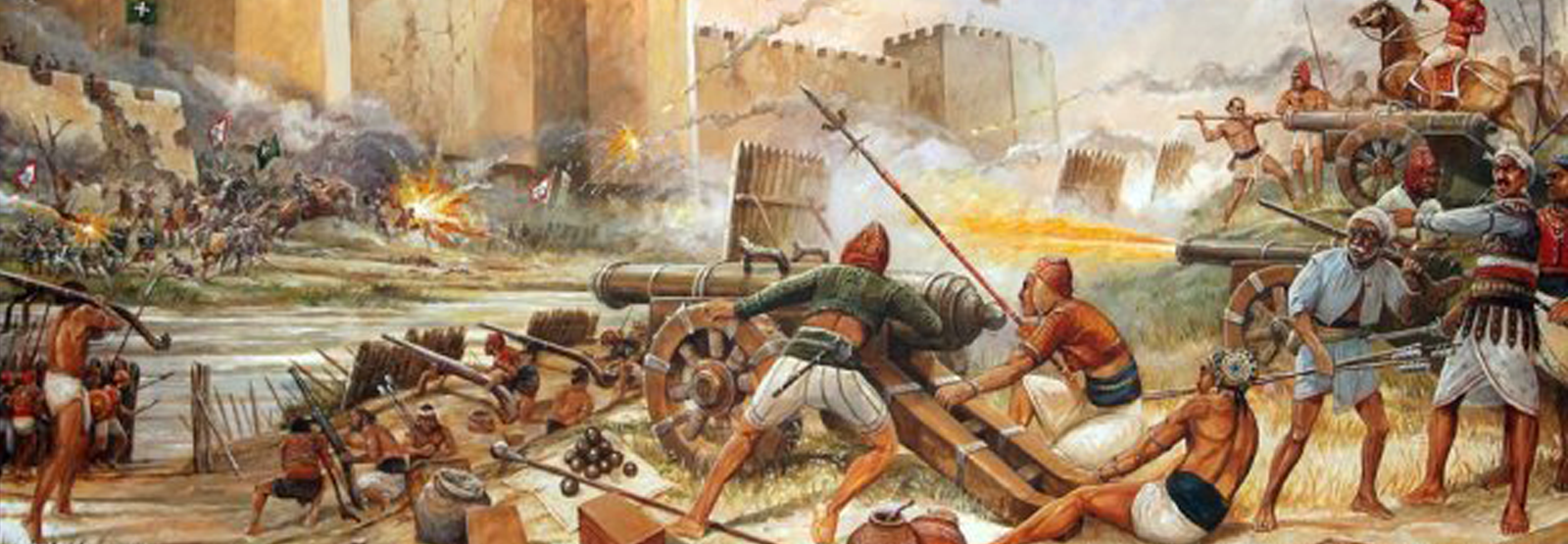
The Portuguese arrived in Sri Lanka in 1505 and soon began to influence the internal affairs of the island. By the end of the 16th century, the Portuguese had gained control over the Kotte and Jaffna kingdoms, the former initially a Sinhalese settlement and the latter originally Tamil. The Dutch arrived in Asia soon after and Portugal began to pull out of its South Asian strongholds to defend territories elsewhere.
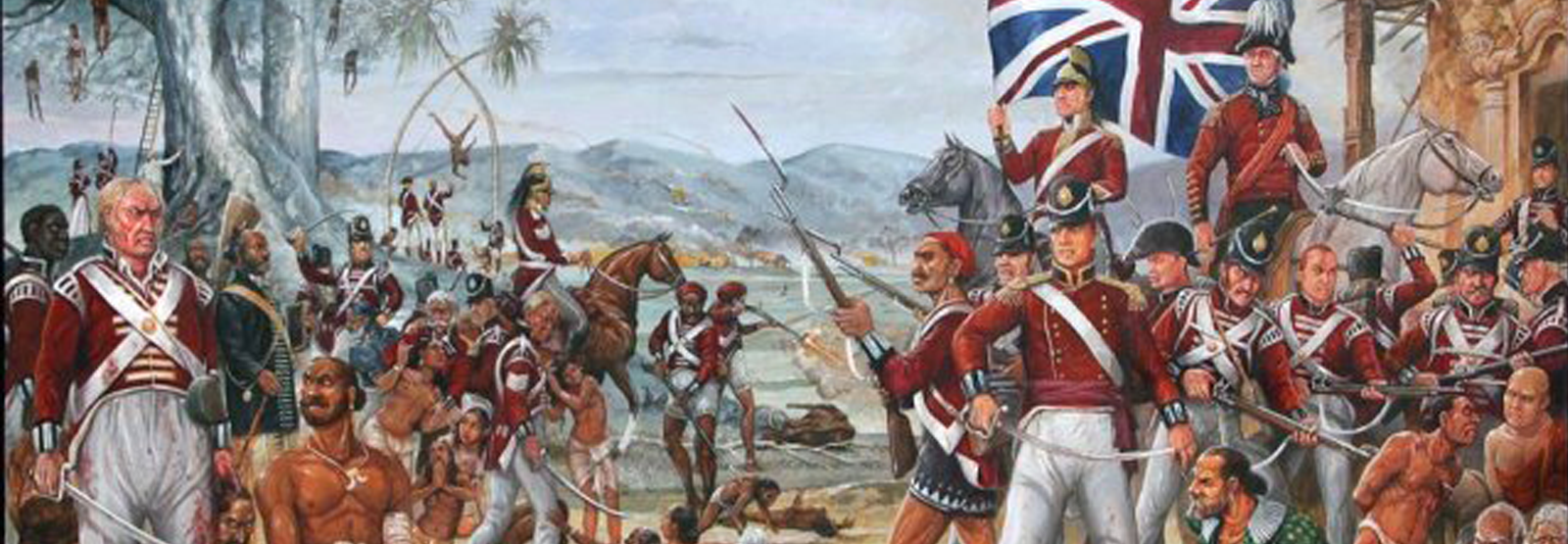
From the mid-1630s, the King of Kandy helped the Dutch to dispossess the Portuguese; by 1656 the island had become a Dutch possession except for Kandy. Later the Dutch also seized Kandy’s coastal areas. British interests developed in the late 18th century when its army invaded and forced the Dutch to accept its protection. In 1802 the Dutch colony became a British possession. The Kingdom of Kandy was invaded in 1815 and its monarchy abolished, with the whole island coming under British rule.
Plantations growing rubber, coconut and coffee were established in the 19th century. After the coffee plantations were destroyed by a fungus in the 1870s, planters switched to tea, with the country soon becoming the second largest producer of black tea after India. During this period, Indian Tamils were brought in as indentured labour for the tea estates.
Constitutional development of Ceylon (as the country was then called) began relatively early, with executive and legislative councils set up in 1833, and the opening up of the colonial civil service to Ceylonese. Self-government was achieved in 1946, under a new constitution, with a bicameral legislature (which became a single chamber in 1972), and Ceylon became fully independent, and joined the Commonwealth, in 1948.
The first Prime Minister of independent Ceylon was one of the leaders of the independence movement, D. S. Senanayake. He was the head of the United National Party (UNP, the former Ceylon National Congress supported by the Tamil Congress). After a split in the UNP in 1951, S. W. R. D. Bandaranaike formed the Sri Lanka Freedom Party (SLFP).
In 1956 the nationalist SLFP won the elections, but in September 1959 Bandaranaike was assassinated. After elections the following year, his widow, Sirimavo Bandar
Modern humans arrived in South Asia from Africa in around 60,000 BCE, with the earliest definitive evidence of settlement in Sri Lanka dating to about 28,000 BCE. Early humans had also been to the island much earlier, leaving stone-age tools that can be dated to around 125,000 BCE. A land bridge connected India and Sri Lanka until around 5000 BCE, allowing different groups to come and go.
The exact origin of these early settlers has been much debated, particularly in the light of modern ethnic tensions. What is certain is that the inhabitants of 30,000 years ago were related to populations of India, South-East Asia and Australia. They have become known as Veddoid, after the modern-day Väddā tribal group, of whom they may be the ancestors. Dravidian and Indo-Aryan languages filtered down to Sri Lanka, from the south and north of India respectively, with modern-day Tamils and Sinhalese each often claiming their forefathers arrived first. However, many historians now think that Dravidian and Indo-Aryan cultures most likely did not arrive in Sri Lanka until late in the first millennium BCE.
An impressive irrigation system had been developed by 100 CE, which became the most elaborate in South Asia. By the time of Alexander the Great’s arrival in the region in around 327 BCE, a trading centre had been established at Māntai (modern-day Tirukketisvaram).
Buddhist scholars in around the fourth and fifth centuries CE wrote the chronicles Dīpavamsa and Mahāvamsa, recording some of the early history of Sri Lanka, focusing in particular on the establishment of Buddhism and the political fortunes of different dynasties. The Mahāvamsa tells of the arrival of a prince from India named Vijaya, and the Sinhalese have often seen him as the founder of Sinhala civilisation in the island.
By the third century BCE Anurādhapura had grown into one of the largest cities in South Asia and Buddhism was adopted by the city’s rulers, after the Indian emperor Ashoka sent a missionary to Anurādhapura in 250 BCE. The city-state extended its control over more of the island and struggles ensued over the next two centuries as power passed back and forth between successors of the Buddhist Devānampiyatissa and rulers identified as ‘Damila’ in the Mahāvamsa, who mainly came from the south of India.
By 500 CE several million people lived in the northern Dry Zone centred around Anurādhapura – the vast majority of the island’s population.
In around 1000 CE, the Hindu Colas, from South India, had gained control of Anurādhapura and moved the capital south by 100 km to Polonnaruwa, before the Sinhalese regained the crown. By the 13th century, malaria had spread through the Dry Zone, making the area virtually uninhabitable and the focus of political life drifted to the south-west.
The Portuguese arrived in Sri Lanka in 1505 and soon began to influence the internal affairs of the island. By the end of the 16th century, the Portuguese had gained control over the Kotte and Jaffna kingdoms, the former initially a Sinhalese settlement and the latter originally Tamil. The Dutch arrived in Asia soon after and Portugal began to pull out of its South Asian strongholds to defend territories elsewhere.
From the mid-1630s, the King of Kandy helped the Dutch to dispossess the Portuguese; by 1656 the island had become a Dutch possession except for Kandy. Later the Dutch also seized Kandy’s coastal areas. British interests developed in the late 18th century when its army invaded and forced the Dutch to accept its protection. In 1802 the Dutch colony became a British possession. The Kingdom of Kandy was invaded in 1815 and its monarchy abolished, with the whole island coming under British rule.
Plantations growing rubber, coconut and coffee were established in the 19th century. After the coffee plantations were destroyed by a fungus in the 1870s, planters switched to tea, with the country soon becoming the second largest producer of black tea after India. During this period, Indian Tamils were brought in as indentured labour for the tea estates.
Constitutional development of Ceylon (as the country was then called) began relatively early, with executive and legislative councils set up in 1833, and the opening up of the colonial civil service to Ceylonese. Self-government was achieved in 1946, under a new constitution, with a bicameral legislature (which became a single chamber in 1972), and Ceylon became fully independent, and joined the Commonwealth, in 1948.
The first Prime Minister of independent Ceylon was one of the leaders of the independence movement, D. S. Senanayake. He was the head of the United National Party (UNP, the former Ceylon National Congress supported by the Tamil Congress). After a split in the UNP in 1951, S. W. R. D. Bandaranaike formed the Sri Lanka Freedom Party (SLFP).
In 1956 the nationalist SLFP won the elections, but in September 1959 Bandaranaike was assassinated. After elections the following year, his widow, Sirimavo Bandar